
Paper vs. Electronic Proof of Delivery
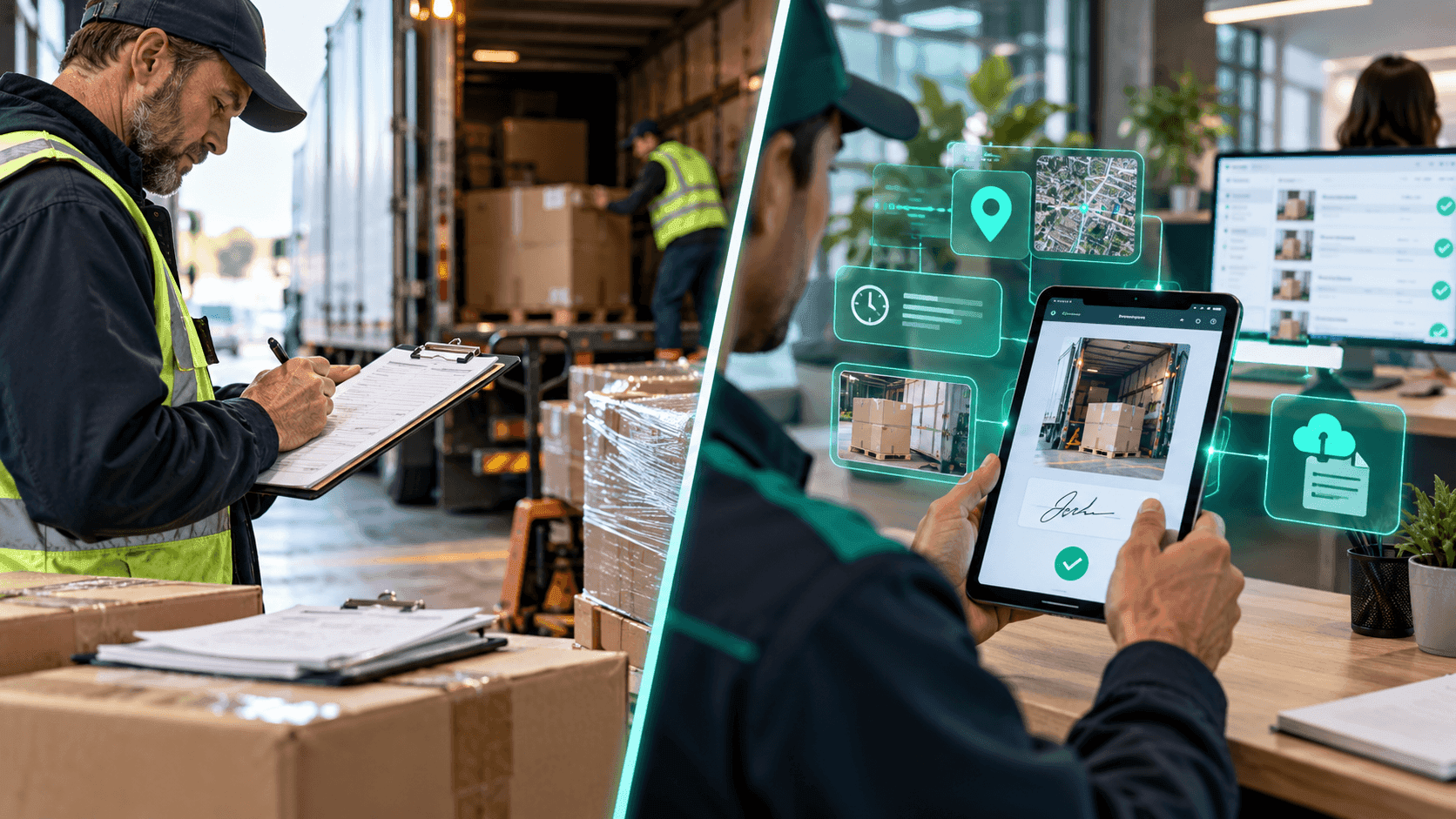
Paper proof of delivery relies on a physical receipt, while electronic proof of delivery creates a digital record linked to the delivery. The better choice is the one that lets your team capture, retrieve, and share the evidence your customers and finance process require.
Paper can work on simple routes, but it often creates delays when documents travel separately from the order.
Where paper creates friction
Paper receipts can be lost, damaged, or returned late. They also require someone to read, scan, classify, and connect each document to an order.
That delay matters when finance needs evidence before issuing or defending an invoice.
What electronic records change
Electronic proof of delivery can associate confirmation, time, photos, and notes with the shipment at the point of delivery. It makes the record easier to search without making digital evidence a substitute for sound operations.
INMEDIATUM supports real-time delivery evidence. Review logistics operations and logistics resources for the wider workflow.
Book a free consultation to assess your POD process.
FAQ
Is paper POD still valid? It may be, depending on your customer terms and process. Its main limitation is retrieval and handling.
Does electronic POD remove every manual task? No. It reduces document handling but still needs clear capture and exception rules.
Can teams use both? Yes. Many teams transition route by route or customer by customer.
Stay ahead in your industry
Subscribe and receive curated content about what's happening in your industry and news that can impact your business. No spam, just the good stuff!