How to Identify Workplace Accident Risks Early

Short answer
Organizations identify workplace accident risks early by combining task-level hazard assessments with leading indicators: observations, near misses, overdue inspections, equipment condition, exposure changes, and unclosed corrective actions. The purpose is to intervene before an injury—not to explain it afterward.
Start where work happens
Review hazards by job, task, shift, location, and contractor activity. Walk the operation with the people who perform the work. Compare written procedures with actual conditions, including workload, layout, equipment, weather, handoffs, and time pressure.
Use leading signals
Past incidents matter, but they are lagging evidence. Review signals that reveal weakening controls:
- repeated near misses or unsafe-condition reports; - missed inspections or preventive maintenance; - recurring corrective actions; - changes in staffing, process, equipment, or materials; - expiring training or qualifications; and - elevated exposure indicators for specific tasks.
A single signal may not prove a problem. A pattern should trigger risk review.
Turn observations into accountable action
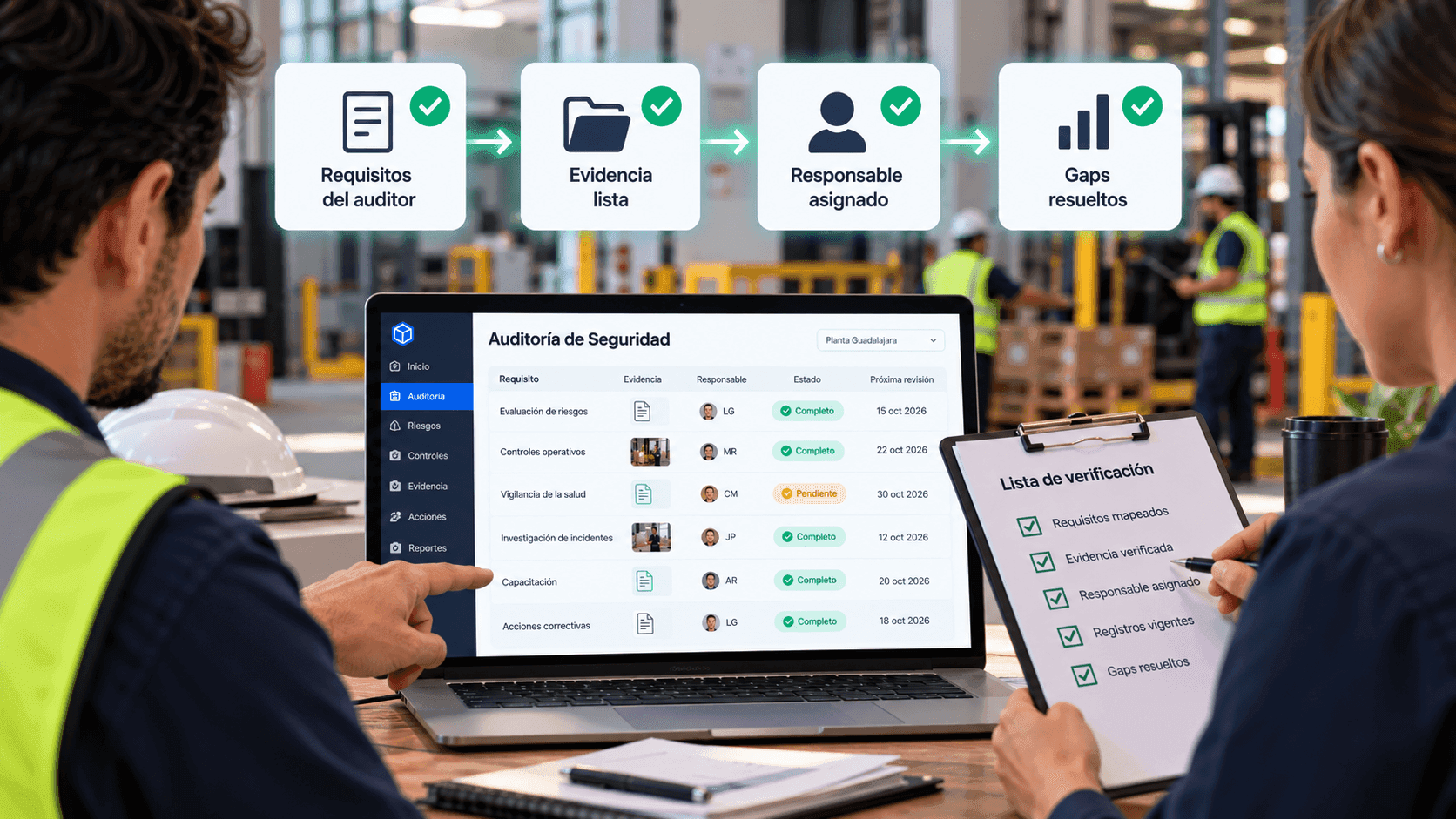
Every material observation needs a risk owner, control, due date, and verification step. Fixing a visible symptom is not enough; investigate why the condition existed and whether the underlying control failed.
Connect health and safety context
Occupational-health trends can reveal risk that is not visible in an incident count, while confidentiality remains protected. Aggregate, governed insights can help teams review tasks or locations without exposing unnecessary clinical details.
Nova Sentinel helps connect EHS risk signals, governed employee health history, and compliance-ready evidence so leaders can prioritize prevention. Talk to an expert
FAQ
Are near misses worth tracking?
Yes. They are valuable leading evidence when they are consistently reported, reviewed, and linked to corrective action.
Who should identify workplace risks?
EHS leaders coordinate the process, but workers, supervisors, maintenance, occupational-health professionals, and managers all contribute relevant evidence.
Can data predict every accident?
No. Data supports prioritization and prevention; it does not remove the need for operational judgment and active controls.
Stay ahead in your industry
Subscribe and receive curated content about what's happening in your industry and news that can impact your business. No spam, just the good stuff!