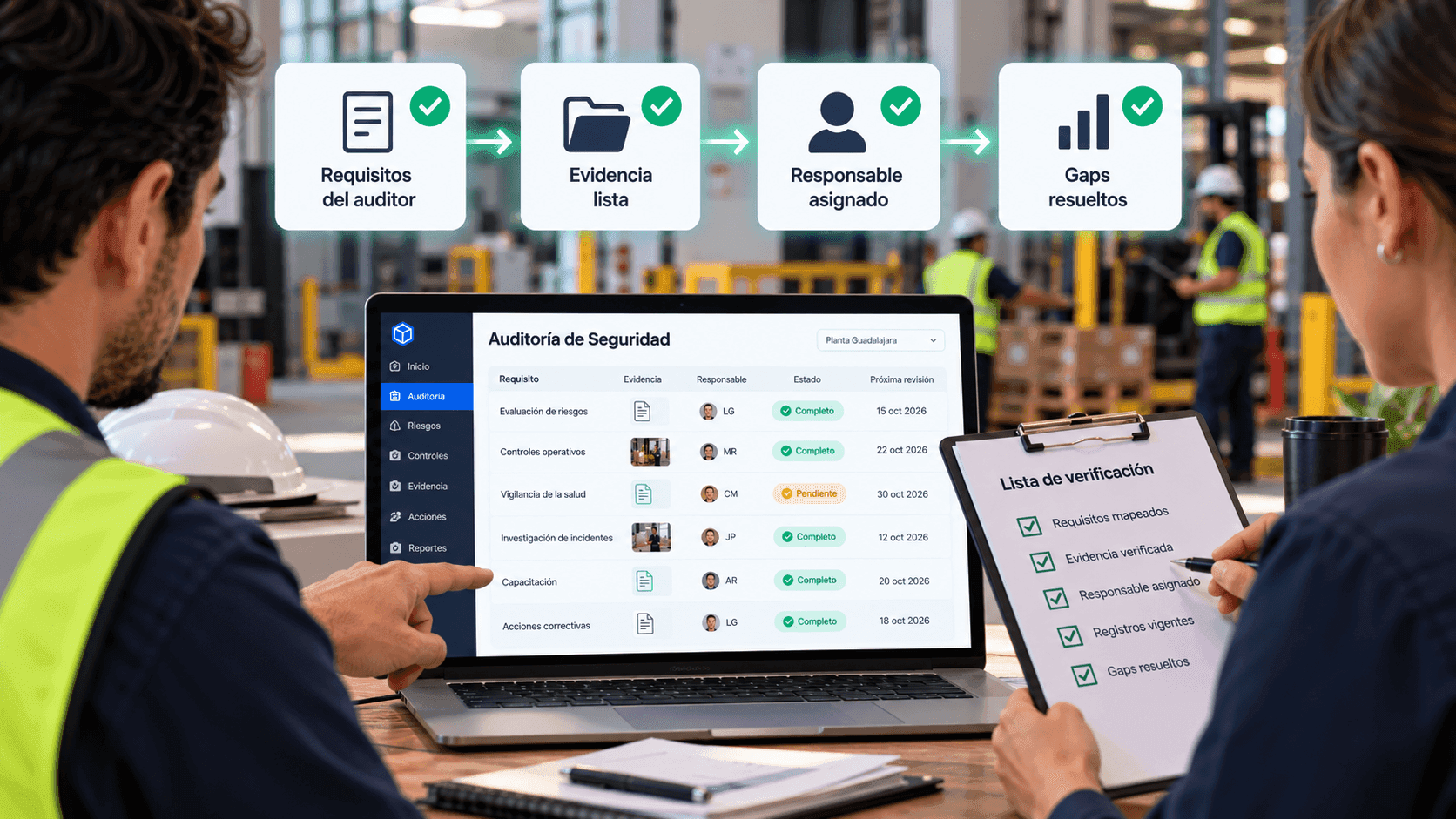
How to Keep Employee Health Records Current

Short answer
Keeping employee health records current requires a defined lifecycle: collect only the necessary information, assign accountable owners, trigger reviews at the right moments, control access, and preserve an audit trail. The aim is a reliable occupational health record—not an uncontrolled archive of sensitive data.
Define the record lifecycle
Map when records are created, updated, reviewed, retained, and securely disposed of. Typical triggers include hiring, role changes, exposure changes, periodic surveillance, work restrictions, incidents, absences, and return-to-work decisions.
For each trigger, specify the owner, required data, review deadline, and evidence of completion.
Use role-based access
Employee health information is sensitive. Occupational health professionals, HR, managers, and EHS teams may need different views, but no group should receive broader access than necessary. Use role-based permissions and maintain an audit trail for views, changes, and approvals.
Separate clinical detail from operational status
Operations leaders may need to know whether a worker is cleared, restricted, or due for a process. They do not necessarily need clinical notes. Separating operational status from confidential medical detail reduces privacy risk while supporting safe work decisions.
Automate review signals
Spreadsheets and paper files make due dates easy to miss. Use reminders or workflow rules for surveillance reviews, expiring restrictions, missing approvals, and records affected by job or exposure changes. Automation should prompt appropriate human review; it should not make clinical decisions.
Audit the data quality
Periodically test completeness, duplicate records, stale data, access logs, and exceptions by site. A record is only defensible when it is linked to the right employee, time period, process, and accountable owner.
Nova Sentinel helps organizations maintain governed occupational health history, role-based access, auditability, and EHS risk context. Talk to an expert
FAQ
Who should own employee health records?
Ownership should be defined by process. Clinical stewardship normally sits with authorized health professionals, while operational and governance responsibilities are assigned to the relevant leaders.
Can managers see medical notes?
Access should be limited to what managers need for safe work and accommodations, subject to applicable law and organizational policy.
What causes records to become outdated?
Common causes are job changes, missed surveillance, unrecorded restrictions, disconnected providers, and weak review workflows.
Stay ahead in your industry
Subscribe and receive curated content about what's happening in your industry and news that can impact your business. No spam, just the good stuff!