What Is EHS Risk Management?
Short answer
EHS risk management is the disciplined process of identifying environmental, health, and safety risks; assessing their likelihood and impact; implementing controls; and verifying that those controls work. It turns safety and occupational health from a collection of obligations into an operating management system.
The risk-management cycle
A practical cycle has five parts:
- Identify hazards by task, site, role, and exposure. 2. Assess likelihood, severity, and existing controls. 3. Prioritize material risks and assign accountable owners. 4. Implement controls and corrective actions. 5. Monitor evidence, incidents, changes, and control effectiveness.
This cycle repeats when a new process, equipment, contractor, incident, or regulatory obligation changes the risk profile.
Risk management is more than a risk register
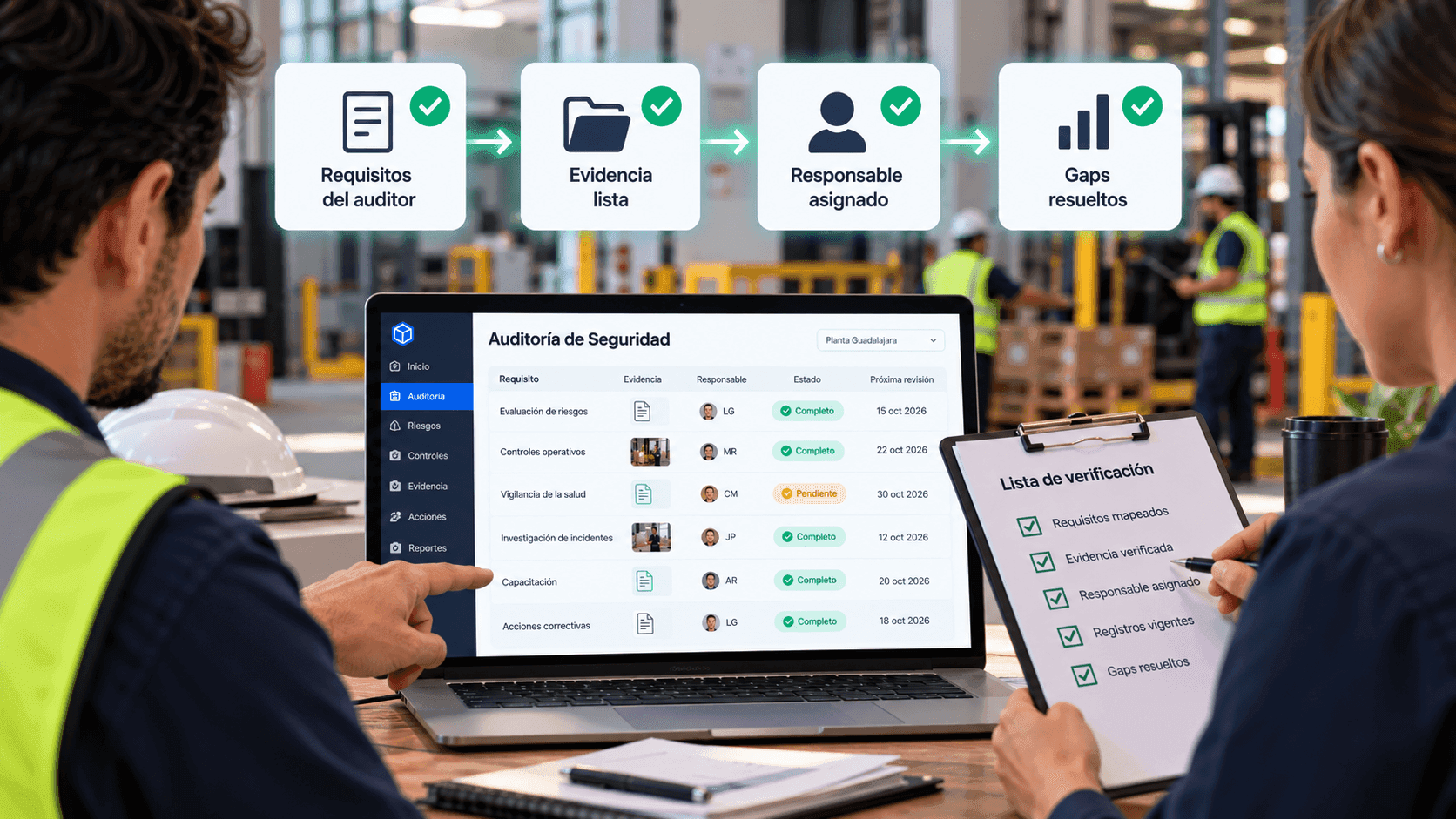
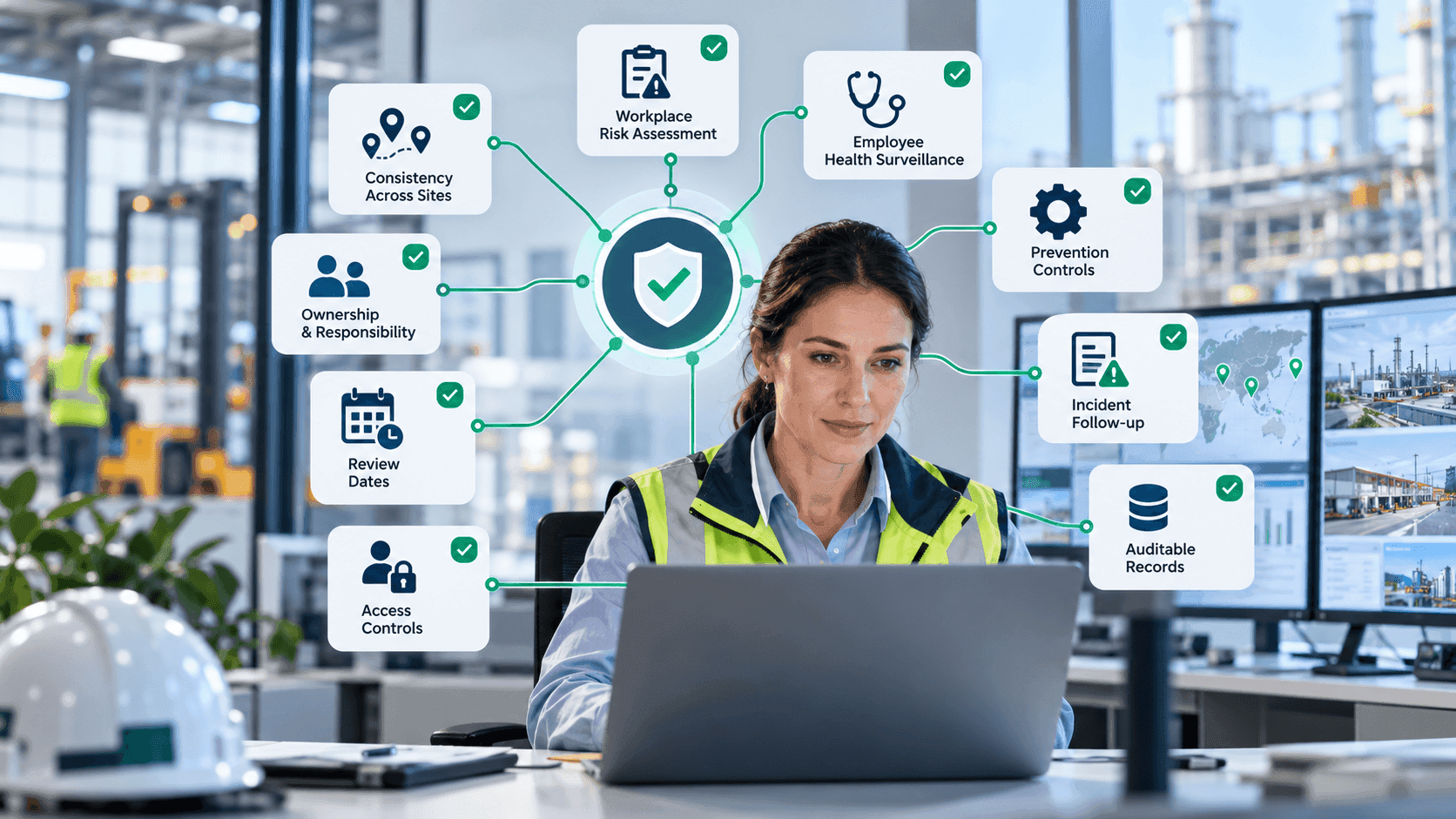
A risk register is useful, but it is only the starting point. Effective management links each risk to an owner, control, verification date, and evidence. It also connects incidents and observations back to the underlying risk so the organization can decide whether its controls need to change.
Where AI can help
AI can help organize fragmented records, detect patterns across sites, flag missing evidence, and prioritize areas for human review. It should not replace qualified EHS, safety, or clinical judgment. In a governed environment, organizations need controlled access, auditability, and clear accountability for every decision.
Measuring control effectiveness
Do not measure only the number of incidents. Review leading signals such as overdue inspections, unclosed corrective actions, recurring observations, expiring training, and changes in exposure. These indicators help teams intervene before an event.
Nova Sentinel links employee health history, EHS risk signals, and compliance-ready evidence to support governed risk management. Talk to an expert
FAQ
Is EHS risk management only for large companies?
No. Any organization with workplace hazards needs a proportionate process. Larger or multi-site operations typically need stronger governance and data integration.
What is a risk owner?
A risk owner is the person accountable for ensuring a material risk is assessed, controlled, reviewed, and escalated when necessary.
Can AI score workplace risk by itself?
AI can support prioritization, but organizations should validate data, define oversight, and retain qualified human accountability.
Stay ahead in your industry
Subscribe and receive curated content about what's happening in your industry and news that can impact your business. No spam, just the good stuff!