What Proves Workplace Risk Is Controlled?

Short answer
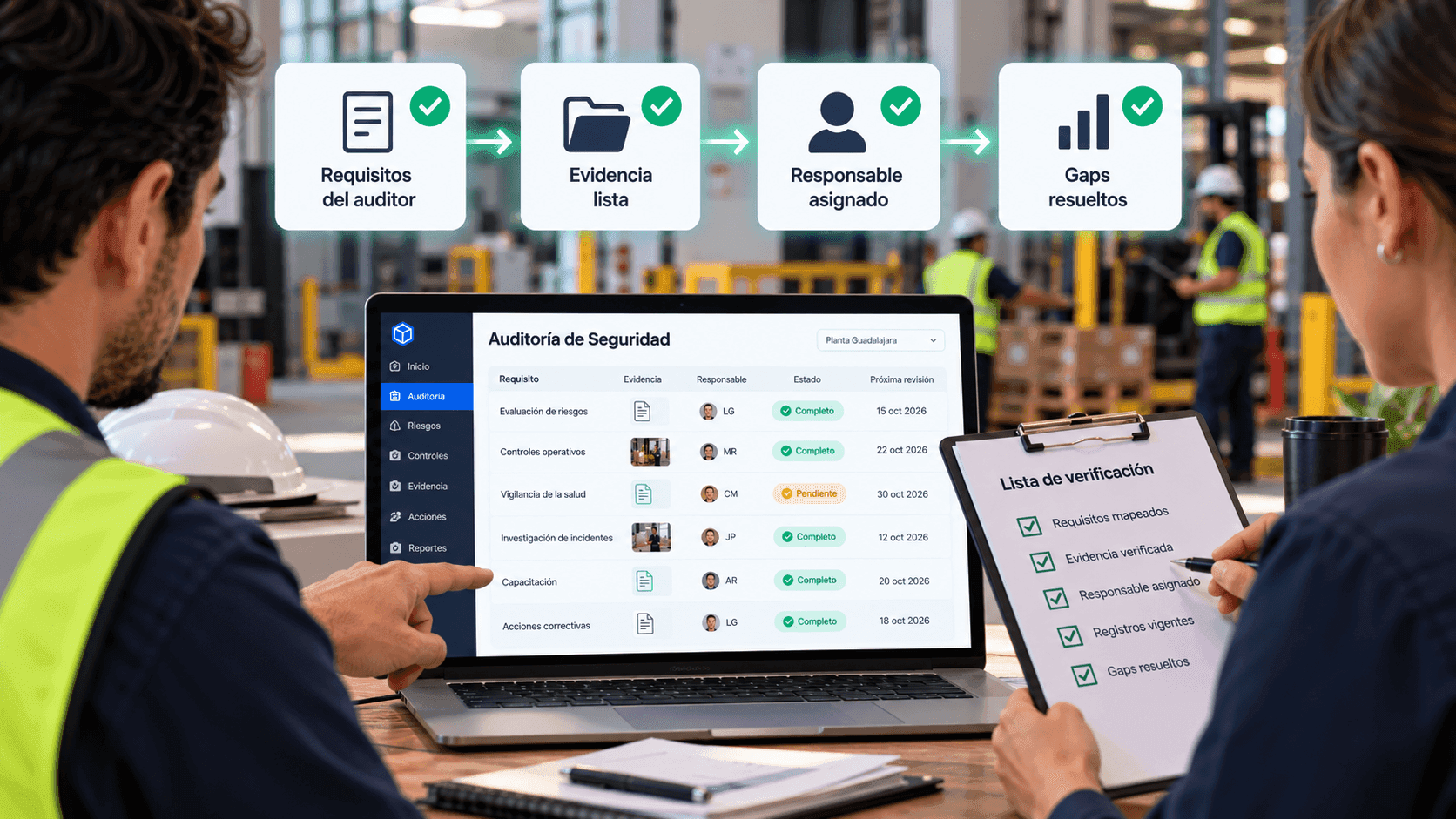
A company demonstrates workplace risk control with more than a policy or a completed checklist. It needs a current risk assessment, a defined control, an accountable owner, proof the control operates, a review date, and a documented response when it fails or conditions change.
The evidence chain
For each material risk, build a chain that connects:
- the hazard and affected work; 2. the assessment of severity, likelihood, and exposure; 3. the selected control and why it is appropriate; 4. the owner responsible for it; 5. implementation and verification evidence; and 6. corrective actions, review, and escalation.
A missing link weakens the organization’s ability to show that the risk is truly managed.
What proof looks like
Evidence differs by risk, but can include inspection records, maintenance logs, training completion tied to a role, observed-control checks, exposure monitoring, equipment test results, incident investigations, and corrective-action verification.
The key is relevance. A stack of generic documents does not prove that a specific control works for a specific task or location.
Ensure evidence is current and governed
Use controlled versions, review dates, role-based access, and an audit trail. When controls vary across sites, define minimum requirements and make exceptions explicit. This reduces the common problem of one site being audit-ready while another relies on outdated files.
Show response to change
Risk control is dynamic. New equipment, staffing patterns, contractors, incidents, and process changes should trigger a review. Evidence that a company detects and responds to change is often more persuasive than a static manual.
Nova Sentinel creates a governed record connecting employee health history, EHS risk, controls, and compliance evidence. Talk to an expert
FAQ
Is a completed checklist enough?
Usually not. A checklist is one piece of evidence; auditors also need to see that the relevant control is owned, current, and effective.
How often should controls be verified?
The frequency should match the risk, legal requirements, and operational change rate. Define it and record the review.
What if a control fails?
Document the condition, protect people from immediate risk, investigate the cause, assign corrective action, and verify effectiveness before closure.
Stay ahead in your industry
Subscribe and receive curated content about what's happening in your industry and news that can impact your business. No spam, just the good stuff!