When to Implement an Occupational Health Platform

Short answer
It is time to implement an occupational health management platform when the organization cannot reliably answer basic questions: Which employees require follow-up? Which restrictions are current? Which sites have overdue health or EHS actions? Who accessed a record? What evidence supports audit readiness?
The trigger is not company size alone. It is the operational and compliance risk created by fragmented, sensitive, or untraceable processes.
Signs the current process has reached its limit
Consider a platform when you see several of these conditions:
- health records are spread across spreadsheets, paper files, email, clinics, or sites; - review dates, surveillance requirements, or restrictions are missed; - leaders cannot distinguish operational status from confidential medical information; - audit preparation requires manual reconciliation; - access to sensitive records is difficult to control or prove; - EHS risk, incidents, and health processes are managed in disconnected tools; or - multi-site teams use inconsistent definitions and workflows.
What a platform should improve
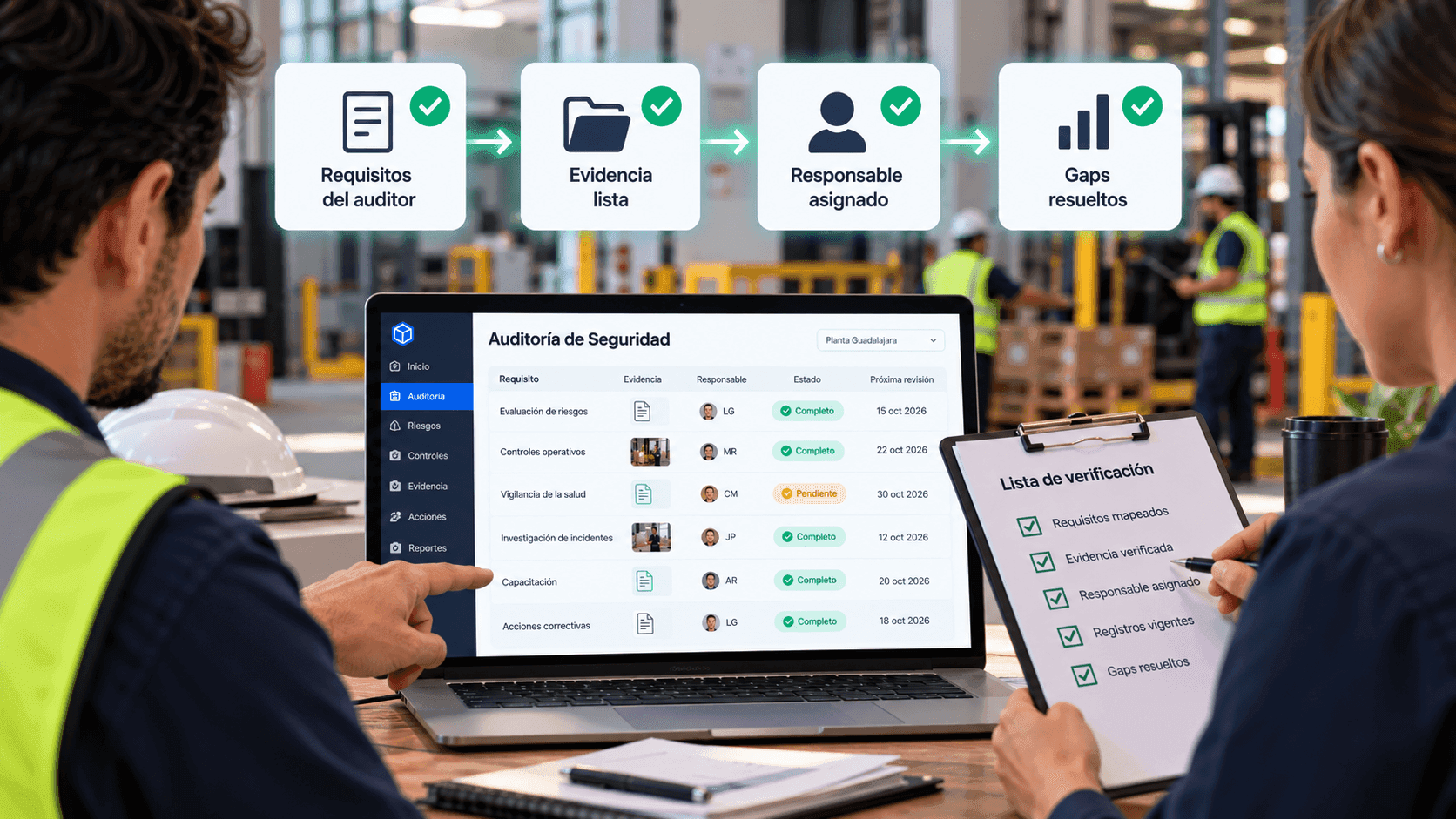
A platform should make process ownership, status, evidence, and escalation visible. It should not simply digitize old files. The implementation should define data governance, access roles, data-quality rules, integration boundaries, and change management before migration.
Start with a focused use case
Avoid trying to transform every process at once. Start with a high-risk, high-friction workflow—such as surveillance due dates, restrictions management, audit evidence, or corrective-action follow-up. Establish a baseline, define success measures, and expand after the operating model works.
Plan governance from day one
Decide who owns clinical stewardship, who manages operational status, who approves access, how records are retained, and how exceptions are escalated. For AI-assisted features, define what is permitted and keep humans accountable for consequential decisions.
Nova Sentinel helps organizations manage employee health history, EHS risk context, and compliance evidence in a governed system. Talk to an expert
FAQ
Do small organizations need a platform?
Not always. A proportionate process may be enough when records, obligations, and sites are limited. The need grows with risk, complexity, sensitivity, and scale.
Should we digitize every historical record first?
Not necessarily. Define the required record set, retention obligations, and migration priorities before moving sensitive data.
How long does implementation take?
It depends on scope, data quality, integrations, and governance. Begin with a focused workflow rather than assuming a single universal timeline.
Stay ahead in your industry
Subscribe and receive curated content about what's happening in your industry and news that can impact your business. No spam, just the good stuff!