
Cut EHS risk before it shows up on your P&L.
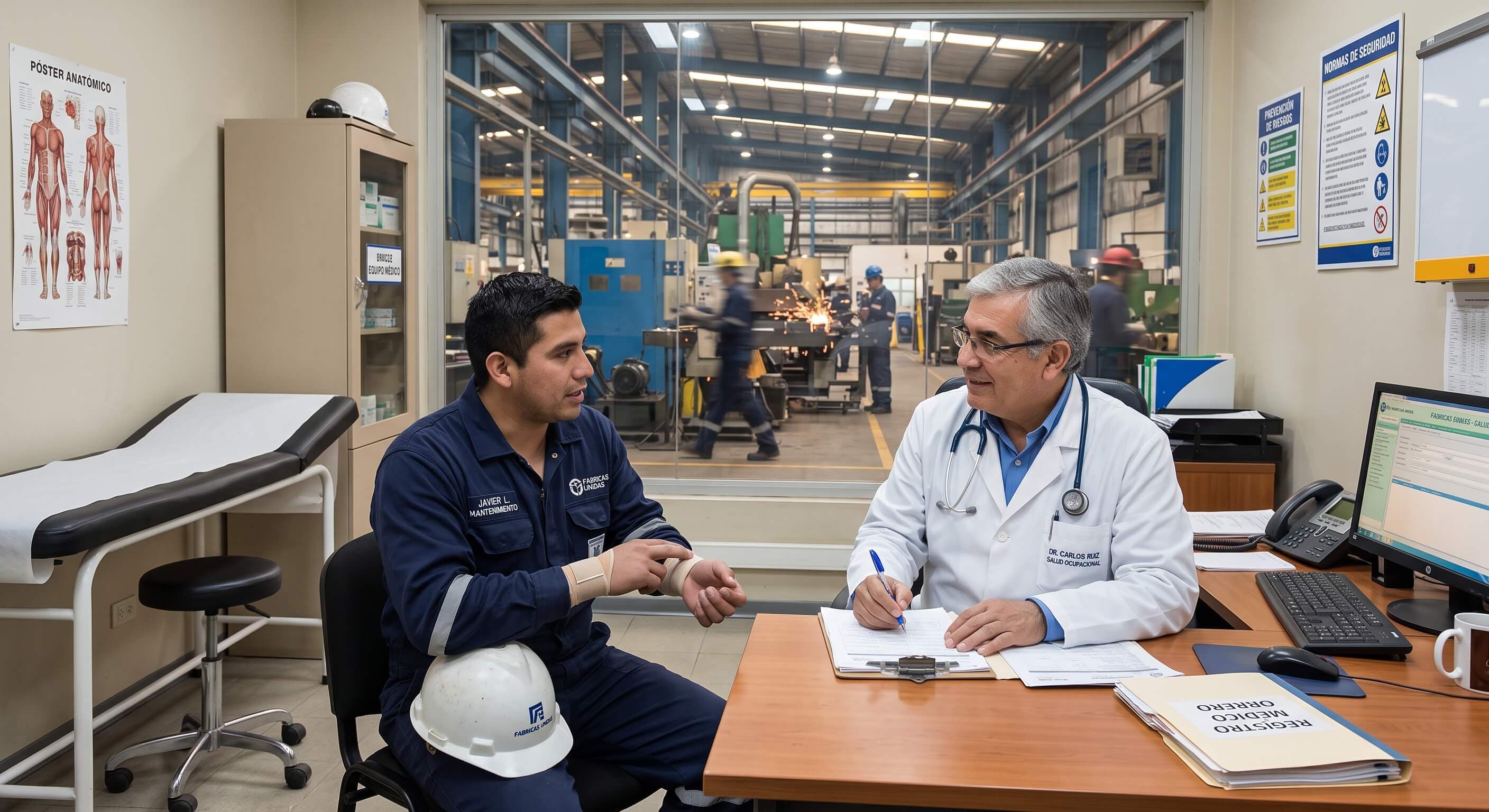
Every employer with a physical workforce carries the same hidden liability: health records scattered across paper files, spreadsheets, and clinic visits that nobody has fully reconciled. When an incident happens — or an insurer, auditor, or plaintiff's attorney comes asking — that gap becomes your problem, priced into your premiums and your legal exposure long before you ever see a claim.
Value in weeks — measurable impact in months.
Risk baseline across your highest-exposure sites in 8–12 weeks
Enterprise-wide occupational-health tracking live in 4–6 months
- Continuous, audit-ready health records — no reconstruction after an incident
- Quantified EHS risk scoring by site, shift, and role
- Fewer preventable accidents and illnesses
- Leverage for lower insurance premiums at renewal
Capabilities.
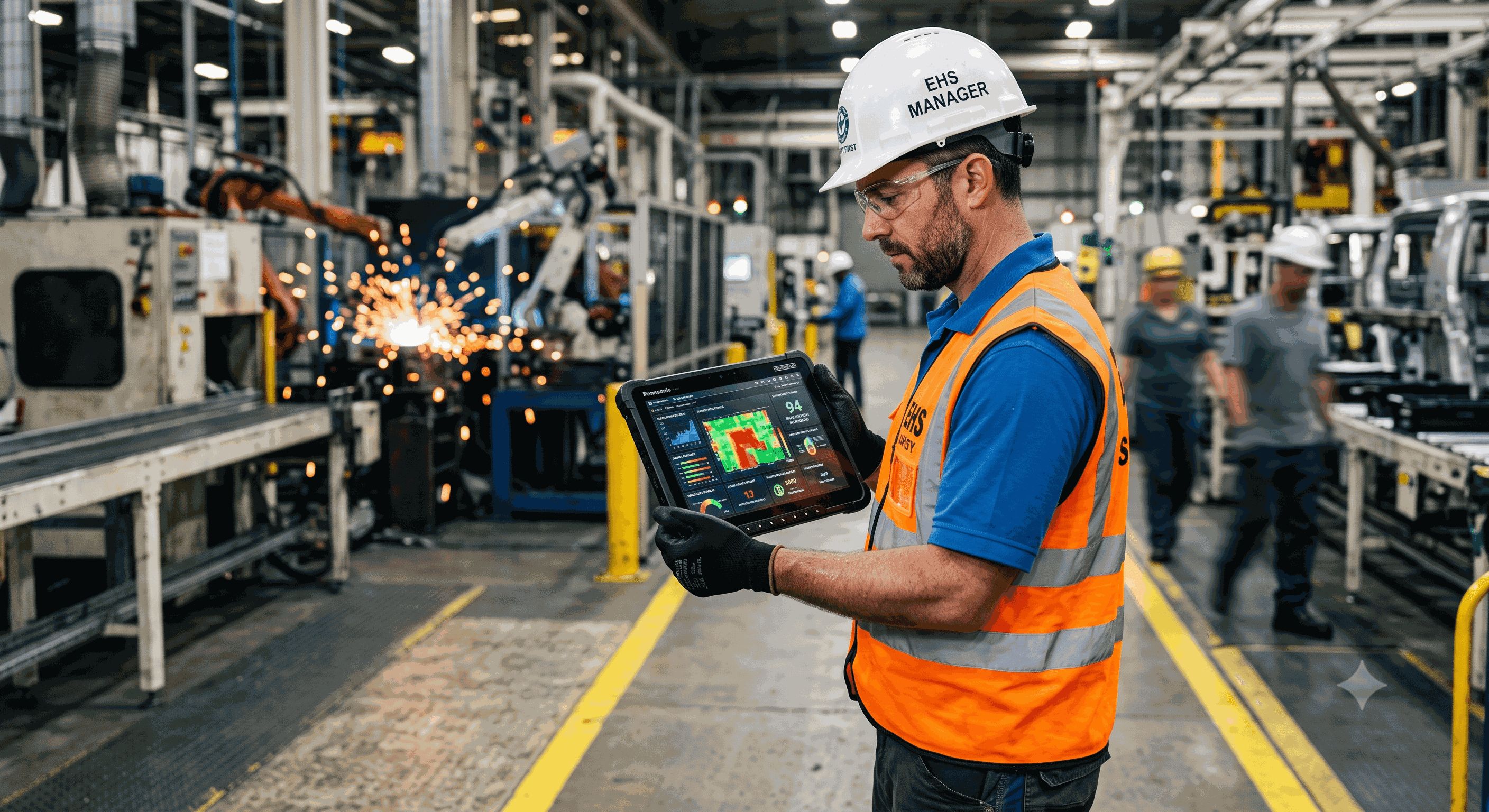
Runs on our governed AI platform.
Nova Sentinel is built on Nova Cortex — our data fabric, concept graph, governed inference, and multi-agent runtime — so it inherits enterprise security, auditability, and the ability for your teams to extend it.
Where it delivers.
Built for your sector.
Enterprise-grade by design.
| Deployment | Private VPC or on-prem — your data never leaves your perimeter |
|---|---|
| Data privacy | No training on your data; no calls to public LLM APIs |
| Access & audit | Policy-based access control (PBAC) and immutable audit logs |
| Model strategy | Model-agnostic — open-weight, commercial, or your own fine-tuned models |
| Integration | RESTful APIs & connectors: AWS, Azure, GCP, SAP, Salesforce, ServiceNow, Snowflake |
| Accuracy & control | RAG + guardrails + human-in-the-loop; deterministic numeric paths, no fabricated numbers |
Nova Cortex is model-agnostic. It runs self-hosted open-weight models (Gemma, Qwen, GLM-class) and can route to commercial or your own fine-tuned models — so you are never locked into a single vendor and can swap models as the market evolves.
- RAG (retrieval-augmented generation) grounded in your data
- Pre- and post-inference guardrails
- Bias and drift monitoring
- Human-in-the-loop on high-stakes decisions
- Deterministic numeric paths — no fabricated numbers
- Every prompt, retrieval, and answer logged and reproducible
A disciplined path to production.
Discovery & Data Audit
We align on your goals, map your data and constraints, and define the highest-ROI use case.
Core Configuration
We stand up your governed Nova Cortex core — data fabric, concept graph, and guardrails — in your environment.
Pilot (Proof of Value)
A working system on your real data, validated against your success metrics and security sign-off.
Scale in Production
Hardened rollout across your operation, with governance, observability, and ongoing support.
A copilot, not a replacement.
Our AI is a copilot, not a replacement. It absorbs the repetitive, administrative work so your people apply judgment, build relationships, and do the work only humans can. We include enablement so teams adopt it with confidence, not fear.
45%+ — fewer preventable workplace incidents.


















Priced on value, not seats.
Flexible, transparent licensing — priced on the value you use (data volume / usage), with scalable annual contracts and a private-deployment option. No per-seat lock-in. We scope Total Cost of Ownership with you before you commit.
Architecture & Security Whitepaper
The deployment, governance, and compliance detail your CIO, CISO, and architects need — in one document.
Frequently asked questions
How quickly will this actually reduce our insurance premiums?
Premium impact depends on your broker and renewal cycle, but the leverage starts as soon as you can show a documented, continuously updated risk profile — most clients build that evidence base within the 8–12 week pilot and bring it to their next renewal conversation.
What's the real ROI case here — how do we justify this to the board?
The case is built on three numbers you already track: incident frequency, premium spend, and legal/claims exposure. We baseline all three during the pilot, so the board sees the current cost of the status quo before approving a wider rollout — not a projection, your own numbers.
How does this protect us legally if we're audited or sued after an incident?
Every employee's occupational-health history is documented continuously and time-stamped, so instead of reconstructing records after the fact — which is where most liability exposure comes from — you can produce a defensible audit trail on demand.
Does this replace our EHS/safety officers, or our insurance broker?
Neither — it gives both better data to work with. Your safety team gets a prioritized, quantified view of where risk actually concentrates instead of relying on incident reports after the fact, and your broker gets documented evidence to negotiate premiums with.
How is sensitive employee health data protected?
Data is encrypted, access-controlled by role, and deployed on private infrastructure — your employees' health records never leave your governed environment, and access is limited to the people who need it for compliance and risk management.
Will employees or unions push back on this as surveillance?
The system tracks occupational-health and compliance records, not employee monitoring or productivity tracking — it's positioned and communicated as a safety and compliance tool, and rollout includes guidance on framing this correctly with your workforce and any labor representatives.
How does this integrate with our existing HR, EHS, or claims-management systems?
Integration is built around the systems you already run — HRIS, EHS platforms, and workers'-comp claims systems — through standard APIs, rather than requiring you to replace what's already in place.
What's required from us to get started — how much internal effort does this take?
The pilot is scoped around your highest-exposure sites and requires access to existing records and a point of contact from EHS/HR — most of the setup and data reconciliation work happens on our side, not yours.
How do you calculate our EHS risk score, and can we trust it?
Risk scoring is built from your own workforce, incident, and exposure data — by site, shift, and role — not an industry-average model, so the score reflects your actual operation and is auditable back to its underlying data.
Can this scale across multiple sites, states, or countries with different regulations?
Yes — the platform is built to handle multi-site and multi-jurisdiction compliance requirements, so a rollout across facilities in different regulatory environments doesn't mean rebuilding the system for each one.
What happens to our existing paper and legacy digital records?
Existing records are migrated and reconciled into the continuous tracking system during onboarding, so you're not starting your risk baseline from zero — historical data still counts.
How does this compare to the EHS software we already have?
Most EHS software logs incidents after they happen. Nova Sentinel continuously tracks the underlying health and exposure data that predicts incidents before they occur — the two are complementary, not competing.
What's a realistic timeline from pilot to enterprise-wide rollout?
Most clients run a risk baseline and pilot on their highest-exposure sites in 8–12 weeks, then scale to enterprise-wide occupational-health tracking over 4–6 months, site by site.
How do we know this will actually reduce incidents, not just document them better?
Documentation is the starting point — the risk scoring surfaces where exposure concentrates by site, shift, and role, and the platform prioritizes recommendations by cost and likelihood, so your safety investment goes to what will actually move your incident rate.
Who owns this internally — HR, EHS, risk management, or IT?
It's typically co-owned by EHS/risk management, who use the risk scoring and compliance documentation day to day, and IT, who manage the integration — we work with whichever structure fits how your organization already assigns safety and compliance ownership.
See Nova Sentinel in your operation
Schedule a 30-minute call with our team. We'll show you real deployments, discuss your challenges, and map out a path to results.
Related insights
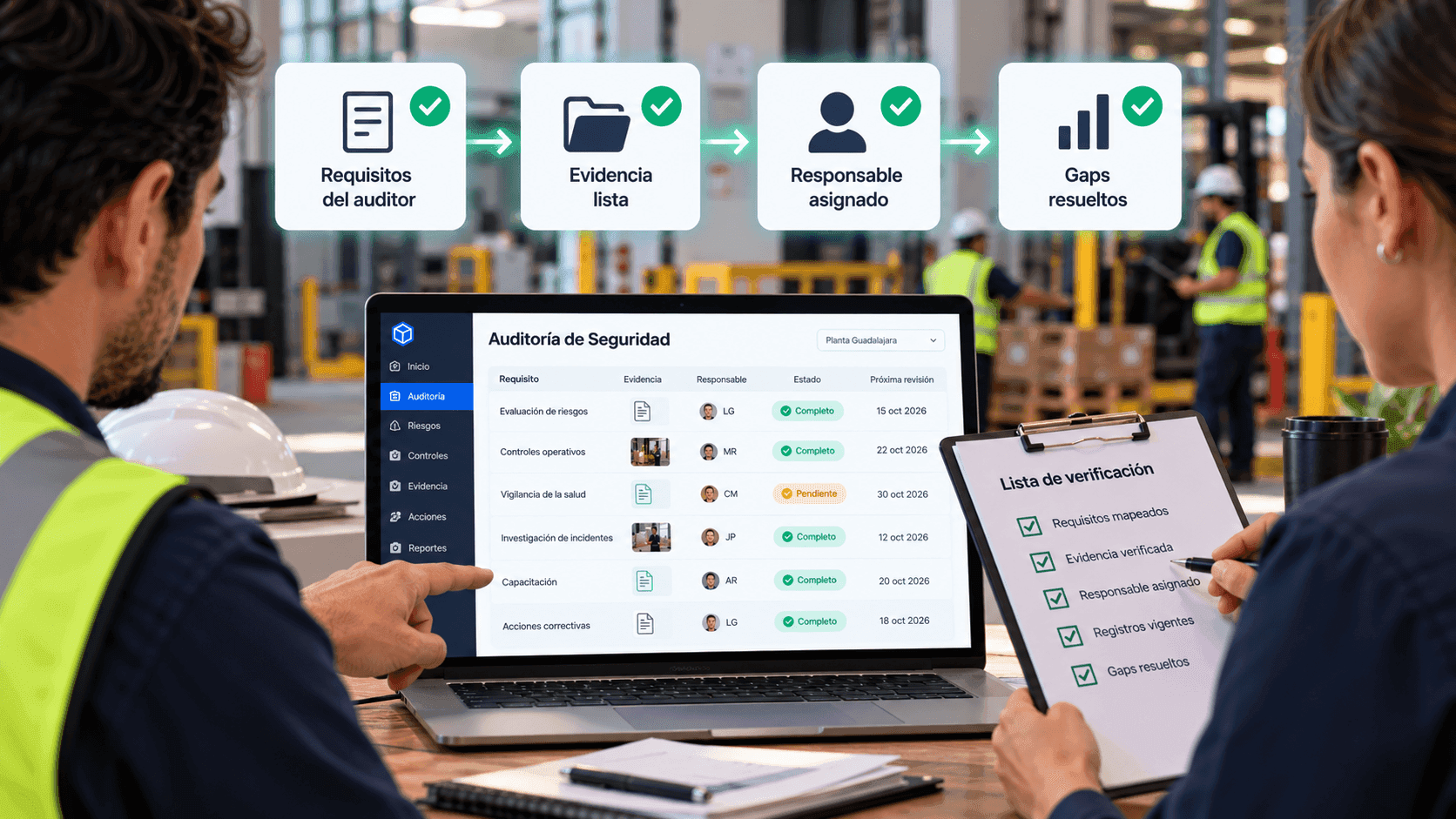
How to Prepare for a Workplace Safety Audit
Prepare for an EHS audit by validating evidence, assigning accountable owners, closing control gaps, and protecting employee health data.

What Should an Occupational Health Program Include?
A practical framework for building an auditable occupational health program that connects workforce risk, records, prevention, and compliance.